
Jamaican Jerk Chicken: A Culinary Legacy of Heat and Smoke |
Exploring the rich history and enduring influence of Jamaica's iconic dish |
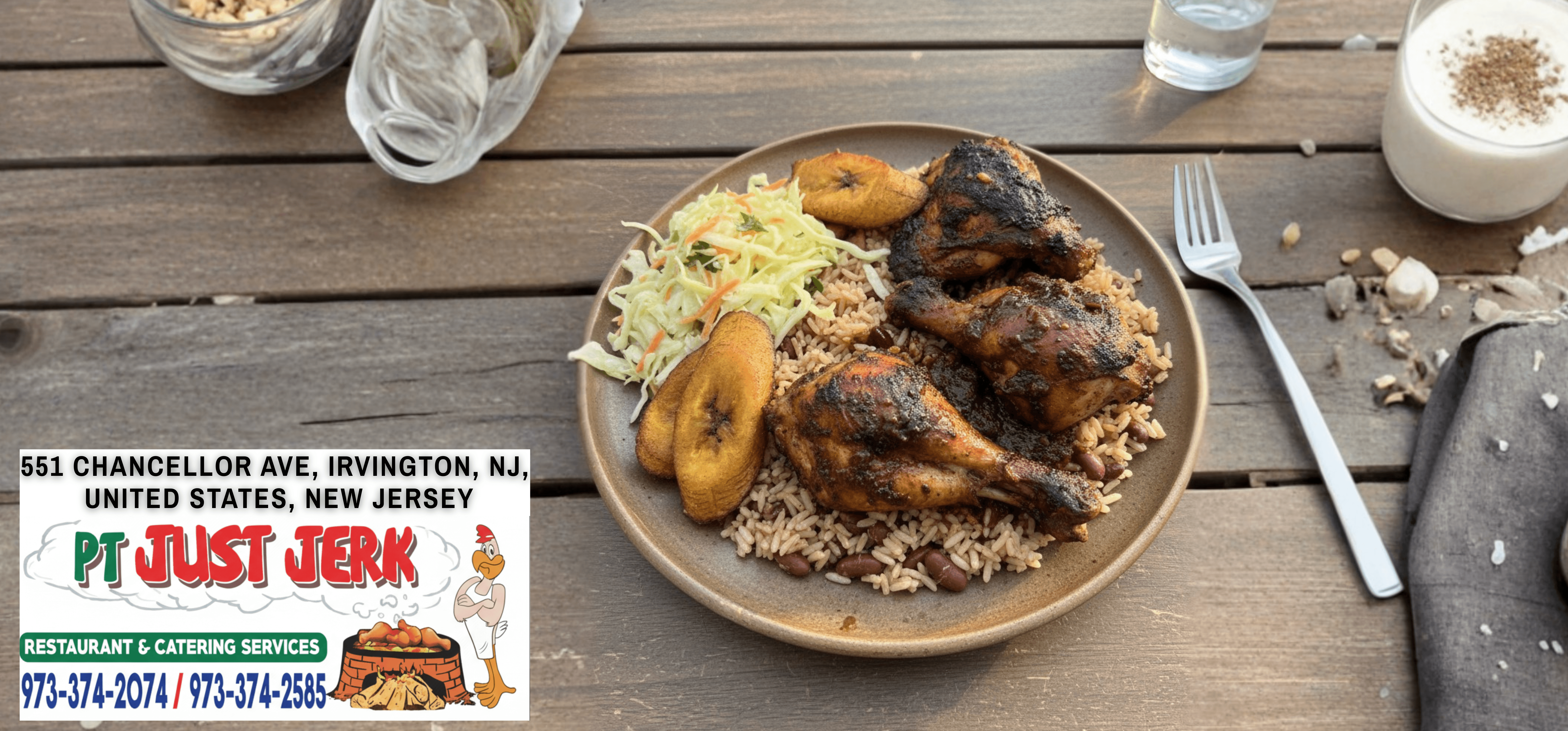
Jamaican jerk chicken is more than just a dish; it's a celebrated culinary tradition deeply rooted in the island's history, ingenuity, and vibrant culture.
Famous for its intense heat, aromatic spice blend, and characteristic smoky flavor, this Caribbean classic has found worldwide acclaim.
The History: From Maroons to Modern BBQ
The origins of jerk cooking are tied to the indigenous Taíno people and the Maroons, the descendants of escaped African slaves, in the 17th-century Jamaican mountains.
Taíno Influence: The indigenous Taíno people had a method of cooking and preserving meat over an open flame using native spices.
The term "jerk" is believed to derive from "charqui," a Spanish word for dried strips of meat (the origin of the English word "jerky").
Maroons and Survival: Escaped slaves, or Maroons, adapted this technique to survive in the rugged interior of the island.
They would hunt wild boar and season the meat with local herbs and spices.
To avoid detection by colonial forces, they developed an ingenious method of slow-smoking the meat over underground pit fires fueled by local wood, a practice that minimized visible smoke.
This method of seasoning and slow-cooking over smoke is the essence of authentic jerk.
Pimento Wood: Crucially, they used the wood and leaves of the pimento tree (which produces allspice berries).
The smoke from this wood is considered essential for achieving the true, authentic jerk flavor.
Over time, the cooking style moved from hidden mountain pits to roadside stands, evolving into the beloved street food and national treasure it is today.
The Signature Flavor: The Jerk Marinade
The distinct, complex flavor of jerk chicken comes from a robust marinade or paste that penetrates deep into the meat.
The key ingredients are a perfect balance of intense heat, warmth, and savory aromatics:
Scotch Bonnet Peppers: Provides the signature fiery heat and fruity undertone. (Habanero is a common substitute, but Scotch Bonnets are traditional).
Allspice (Pimento): The most defining spice; its berries provide warm, complex notes of cinnamon, clove, and nutmeg all in one.
Thyme & Scallions: Adds essential fresh, herbaceous, and aromatic flavor notes.
Ginger & Garlic: Provides a sharp, pungent aromatic base.
Brown Sugar/Browning: Adds a touch of sweetness to balance the heat and deepens the color of the final product.
Liquids: Ingredients like soy sauce, vinegar, and lime/orange juice tenderize the meat and help blend the flavors.
The chicken is typically scored or poked with holes before being thoroughly massaged with the marinade and allowed to rest, often overnight, for maximum flavor penetration.
Cooking the Chicken: Low and Slow
While modern cooks use ovens and conventional grills, the traditional and most authentic method for cooking jerk chicken is slow-smoking over a wood fire, ideally using pimento wood.
Marination: The chicken is marinated for several hours, or preferably overnight.
Poking/Slashing: The meat is cut or poked repeatedly to allow the marinade to soak in past the skin and bone.
Slow Smoking: The chicken is cooked slowly over indirect heat on a grill, often made from repurposed metal oil barrels cut in half.
Pimento wood chips or sticks are added to the coals to create the smoky, aromatic environment that defines the final dish.
This process results in a moist, tender interior with a flavorful, charred exterior.
The result is chicken that's savory, sweet, and unbelievably spicy, offering a truly unforgettable culinary experience.
Jerk chicken is typically served with sides like Rice and Peas (rice cooked in coconut milk with kidney beans) and a vibrant coleslaw.
Jerk Chicken's Global Influence
Jamaican jerk chicken has transcended its island origins, influencing culinary scenes worldwide.
In the United States, the dish has inspired numerous festivals and events celebrating its rich flavors and cultural significance.
For instance, the Grace Jamaican Jerk Festival in Miramar, Florida, has become a major annual event, drawing thousands to experience authentic Caribbean cuisine and culture.
Similarly, National Jamaican Jerk Day, observed on the fourth Sunday of October, encourages food enthusiasts to explore and enjoy jerk cuisine through various events and promotions.
Restaurants across the U.S. have embraced jerk flavors, incorporating them into diverse menus.
Chef Nicola Blaque's San Antonio-based eatery, The Jerk Shack, has garnered national acclaim, ranking among the top fried chicken spots in America.
Additionally, franchises like Juici Patties are expanding, bringing authentic Jamaican cuisine, including jerk chicken, to a broader audience.
These developments highlight the enduring appeal and adaptability of jerk chicken, solidifying its place in the global culinary landscape. |
0 Comments
Join the conversation
Be the first to comment
Share your thoughts above.